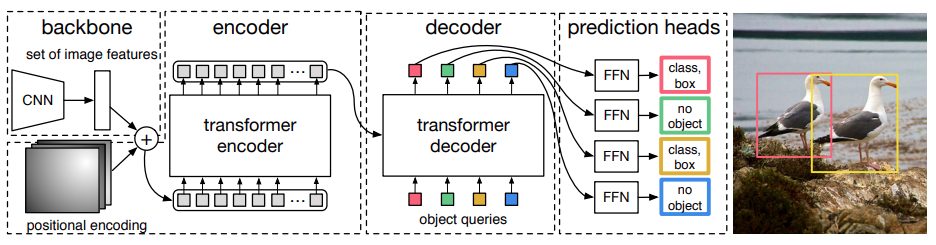
I implemented the DETR (DEtection TRansformer) model entirely from scratch using PyTorch to deepen my understanding of end-to-end object detection. This project reconstructs the full architecture, including the CNN backbone, Transformer encoder-decoder, and the set-based global loss via bipartite matching. By avoiding high-level detection libraries, this implementation offers a transparent view into how Transformers eliminate the need for traditional hand-crafted components like anchor generation and non-maximum suppression (NMS), closely following the original 'End-to-End Object Detection with Transformers' paper. You can explore the full implementation on GitHub.
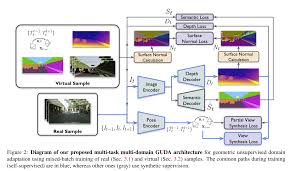
"I implemented a Geometric Unsupervised Domain Adaptation (GUDA) framework entirely from scratch using PyTorch to deepen my understanding of how structural geometry can bridge the domain gap between synthetic and real-world data. This project reconstructs a multi-task learning architecture that enforces geometric consistency through simultaneous depth estimation and semantic segmentation. By avoiding high-level adaptation libraries, this implementation offers a transparent view into how depth-aware cues and surface normal constraints can guide the alignment of domain-invariant features, effectively improving semantic performance on unlabeled real-world scenes. You can explore the full implementation on GitHub.

I implemented a Transformer model entirely from scratch using PyTorch to deepen my understanding of its architecture and core components such as self-attention, multi-head attention, positional encoding, and feedforward layers. This project closely follows the original "Attention Is All You Need" paper and avoids using high-level libraries, offering a transparent view into how Transformers work under the hood. You can explore the full implementation on GitHub.
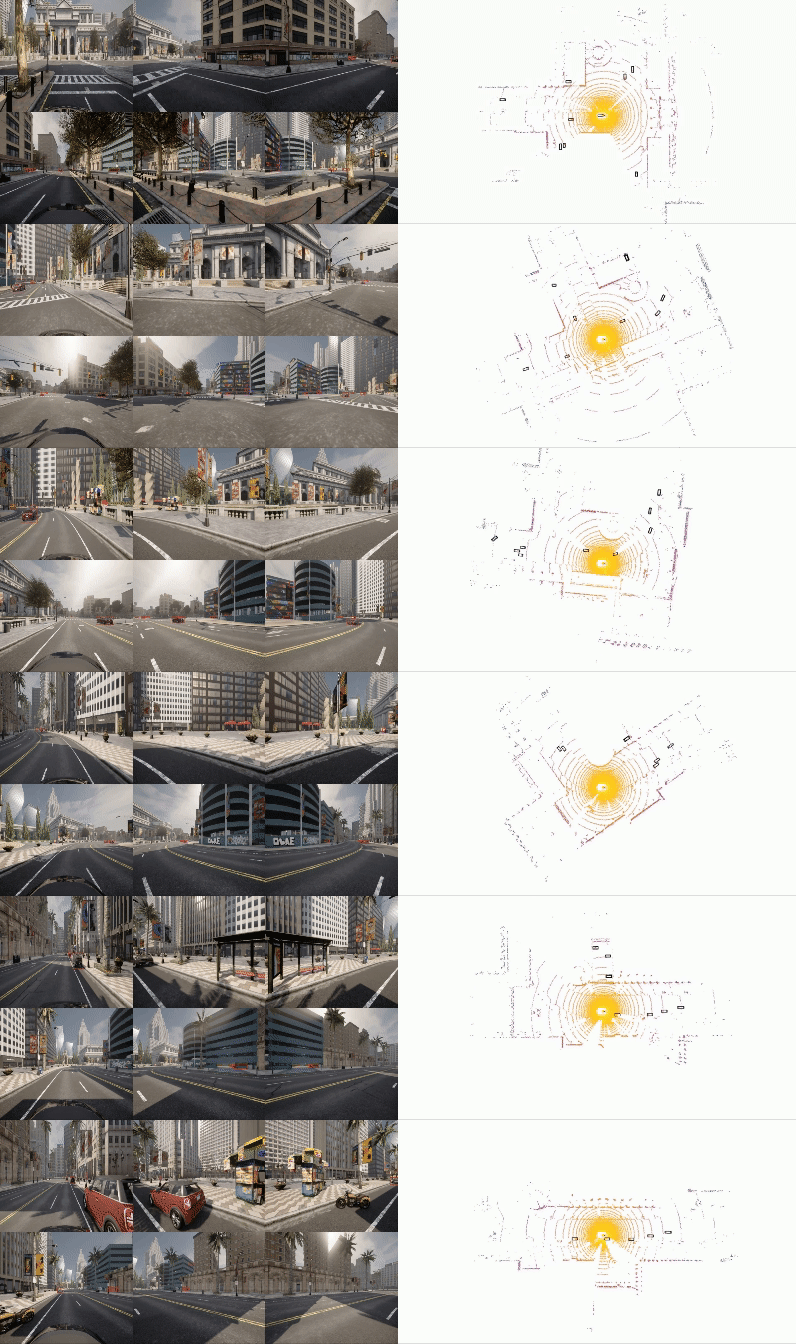
This project is used to generate synthetic data for training different
Deep learning models for autonomous driving tasks. This project support
cameras and lidars and can generate annotaions for tasks such as 3D lidar
object detection, monocular depth estimation, and semantic segmentation.
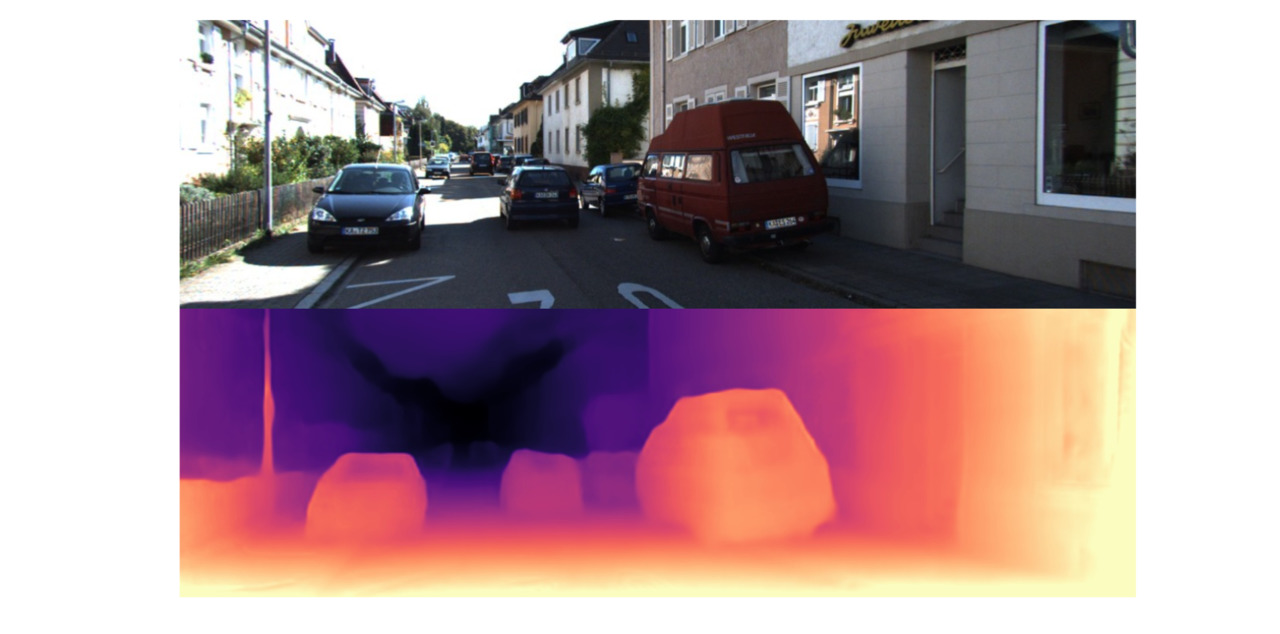
I implemented Monodepth2 from scratch to deepen my understanding of monocular depth estimation and self-supervised learning in computer vision. Monodepth2 is a state-of-the-art framework that predicts depth from a single image using a self-supervised training setup—eliminating the need for ground truth depth data. My implementation follows the original paper's architecture closely, including its use of photometric consistency, pose estimation networks, and multi-scale depth outputs. This project helped me gain hands-on experience with view synthesis, image warping, and stereo supervision techniques in PyTorch.
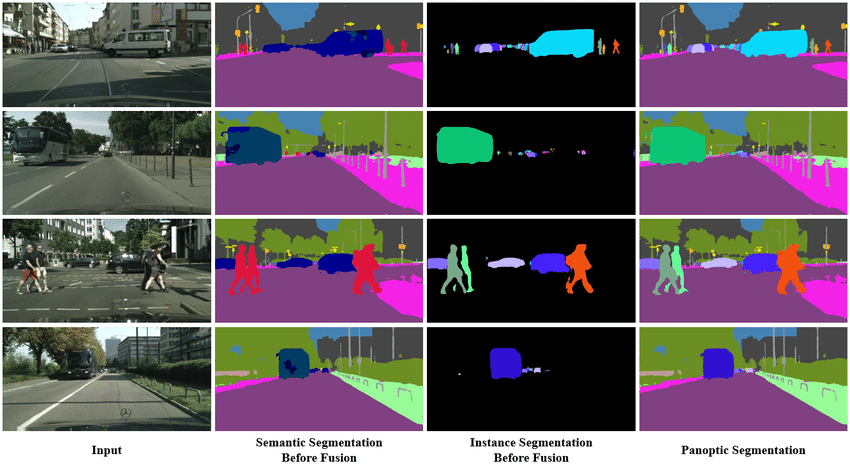
This is my internship project with Torc Robotics.
In this project, we worked on a network that can predict semantic and instance masks for lane-lines.
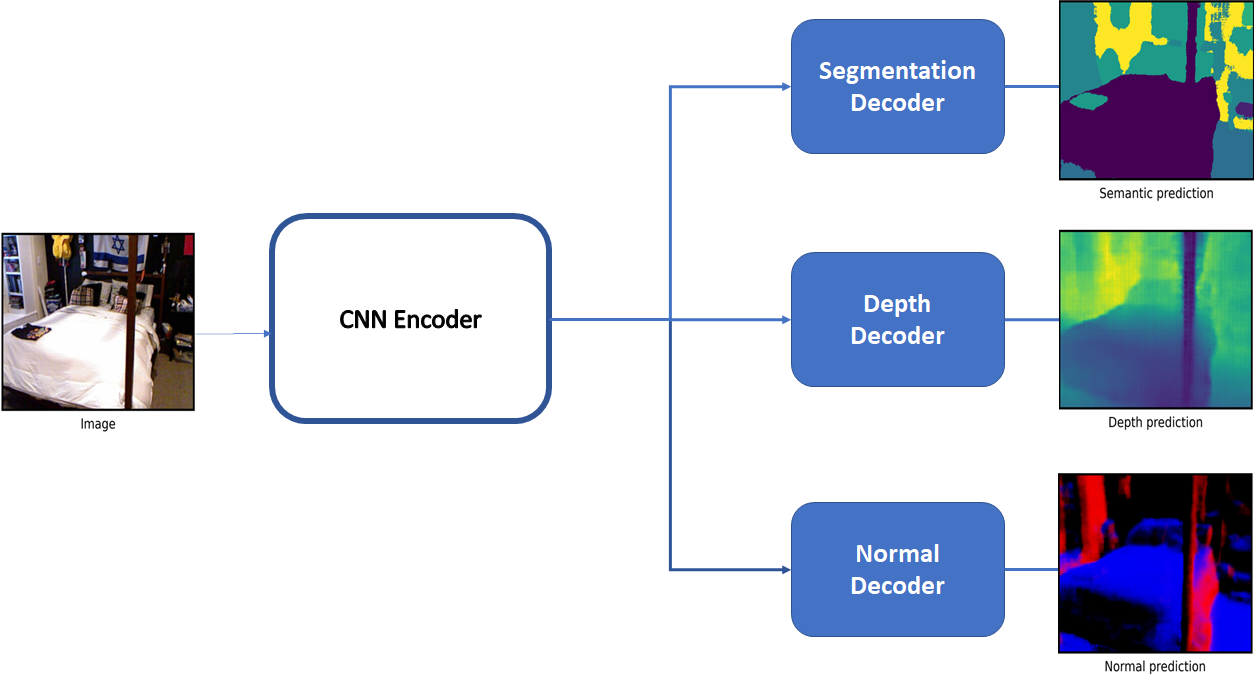
In this project, we propose a unified architecture
for collaborative depth and surface normal
estimation along with semantic segmentation in
which the encoder is shared between the three
tasks.
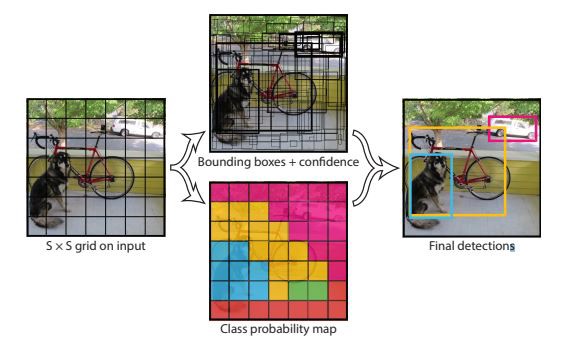
This is my personal project. I implemented YOLO-V1 from scratch in pytorch.
The goal of this project is to get a better understanding about 2D-object detection and Pytorch.
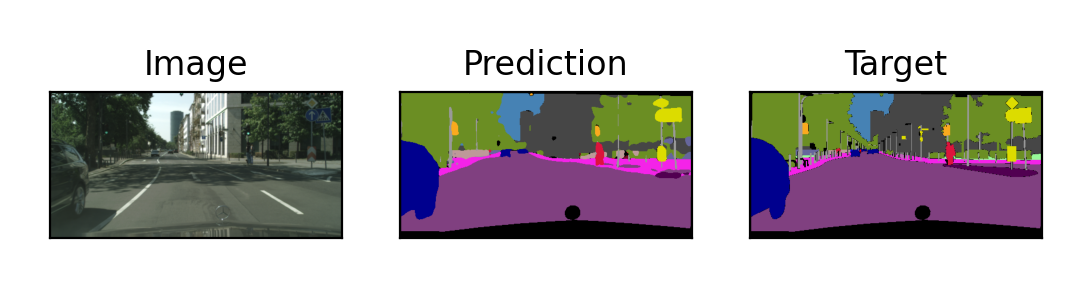
This is one of my from-scratch personal project.
In this project I implemented Pyramid Scene parsing
network (PSPNet)
for semantic-segmentation. The goal
of this project was to understand how to optimize
deep learning architectures. in Pytorch
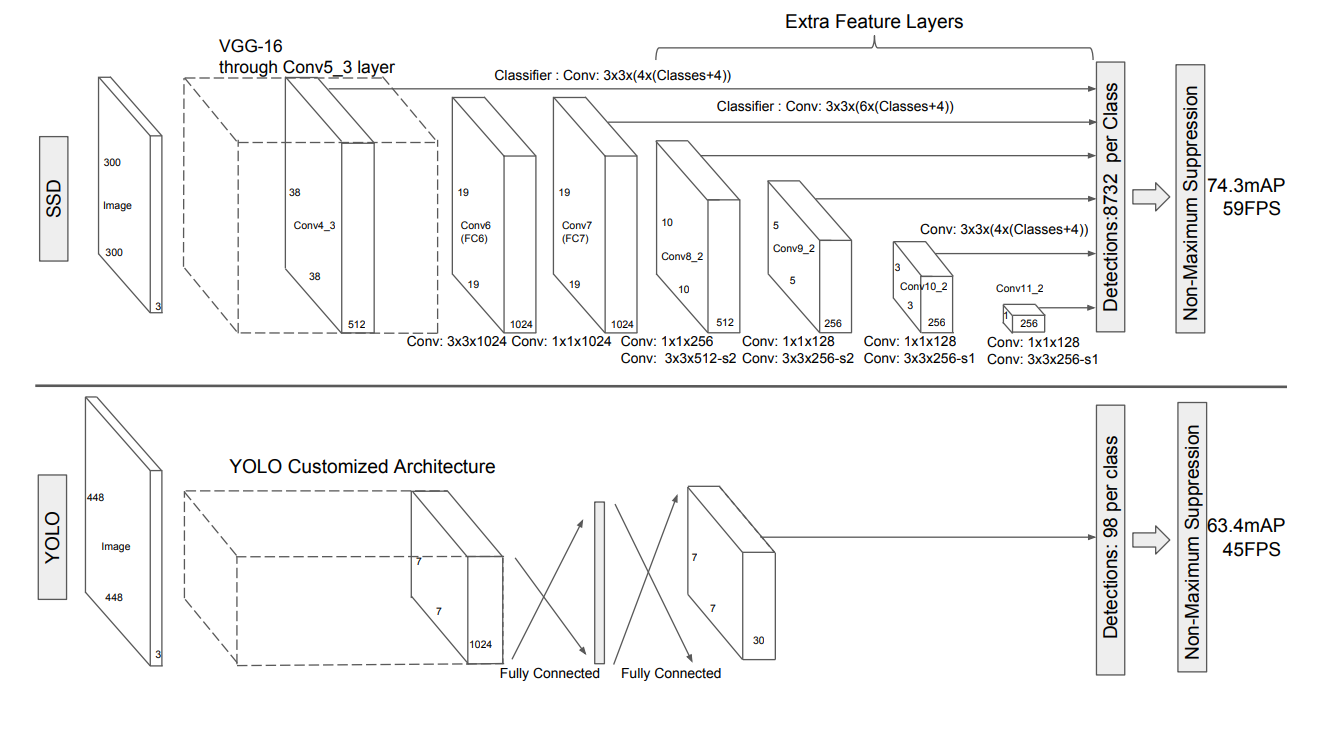
Used Single Shot Detector (SSD)
to detect and classify hand-gestures and controlled Nvidia's Jetbot using Jetson.
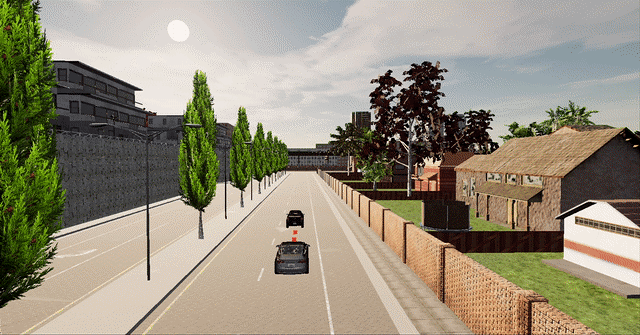
In this project, I implemented lattice planner for lef/right turning and overtaking of the vehicle.
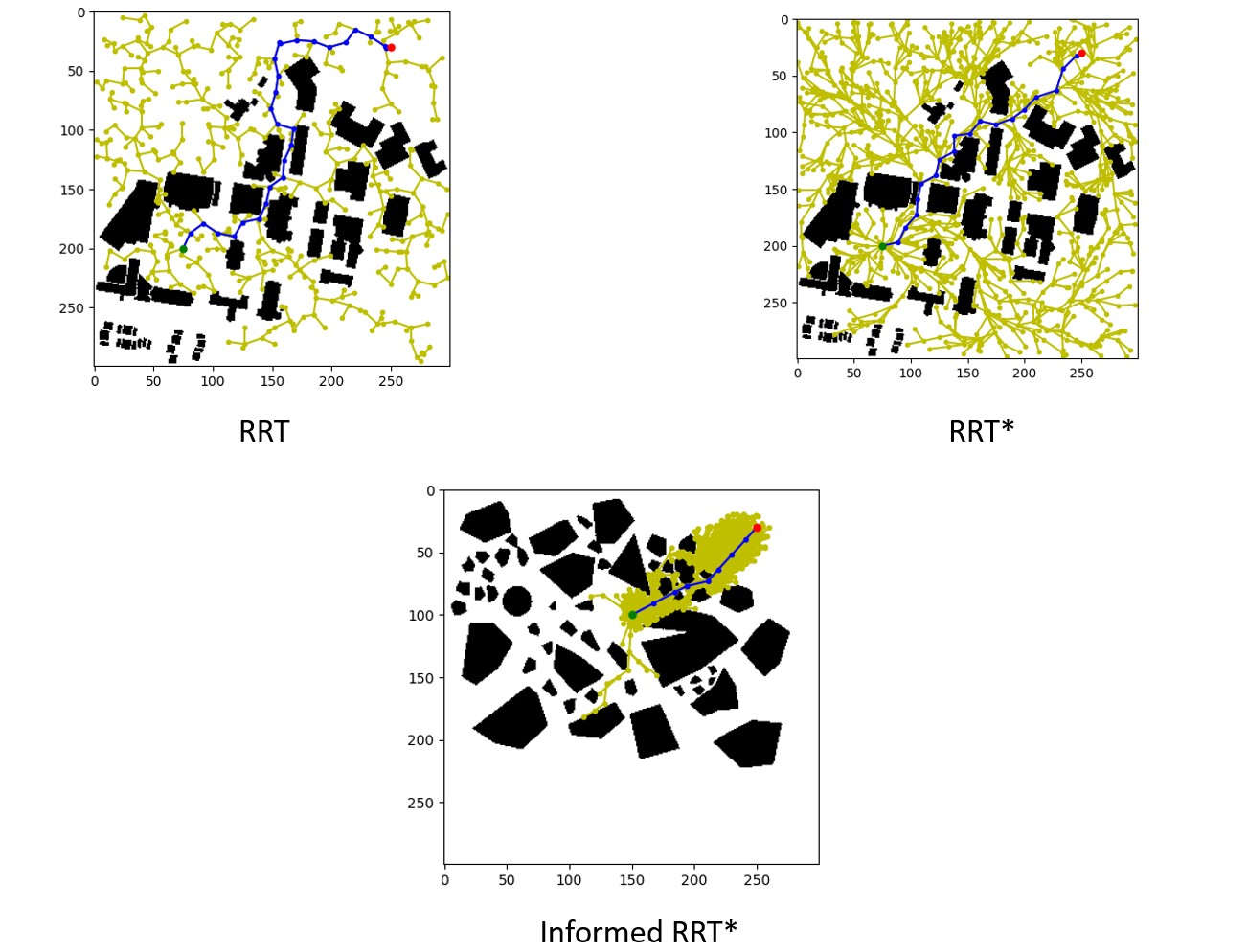
In this project I implemented Sampling based path planning algorithms (PRM, RRT, RRT*, Informed RRT*) from scratch.